
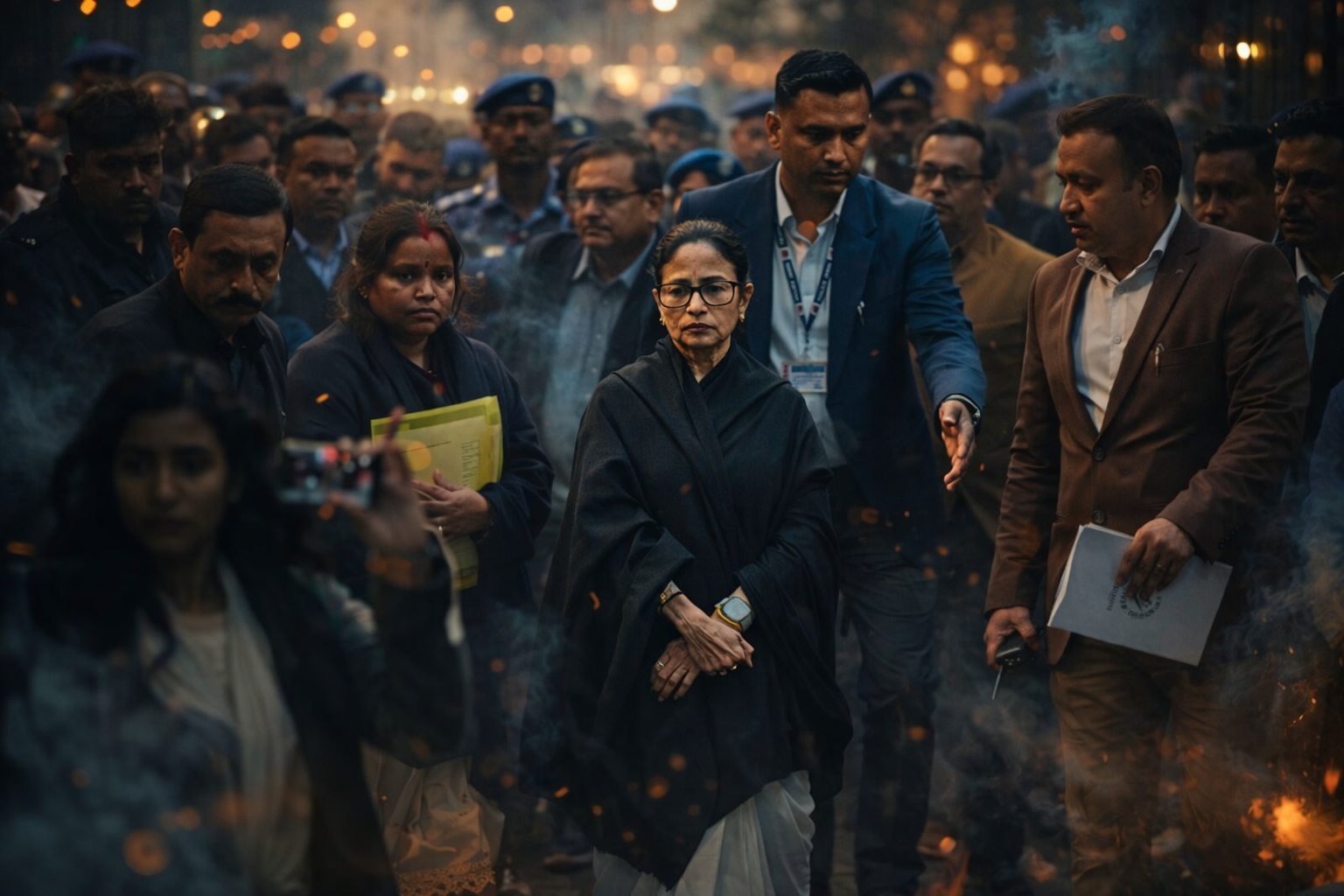
পশ্চিমবঙ্গের ভোটে নতুন বিতর্ক: উন্নয়ন নয়, এবার প্রধান ইস্যু ‘এসআইআর’!
ভারতের যুক্তরাষ্ট্রীয় কাঠামোর গণতন্ত্রে নির্বাচন যেন এক চলমান প্রক্রিয়া। প্রতি পাঁচ বছর অন্তর সারা দেশে অনুষ্ঠিত হয় ভারতীয় সাধারণ নির্বাচন। পাশাপাশি প্রায় প্রতি বছরই এক বা একাধিক রাজ্যে অনুষ্ঠিত হয় বিধানসভা নির্বাচন।
ইতিহাস বলছে, কখনো উন্নয়ন, কখনো দুর্নীতি, কখনো জাতপাত বা সংরক্ষণ ইস্যু—এমনকি পেঁয়াজের দাম বৃদ্ধির মতো সাধারণ অর্থনৈতিক প্রশ্নও ভোটের প্রধান আলোচনায় উঠে এসেছে।
কিন্তু এবার চিত্র ভিন্ন।
পশ্চিমবঙ্গে আসন্ন বিধানসভা নির্বাচনের আগে ভোটার তালিকা সংশোধন প্রক্রিয়া নিয়ে তীব্র বিতর্ক শুরু হয়েছে। নির্বাচন কমিশনের ভাষায় যার নাম ‘স্পেশাল ইনটেনসিভ রিভিশন’ (এসআইআর)।
কেন এত আলোচনা?
রাজনৈতিক বিশ্লেষকরা বলছেন, ভারতের দীর্ঘ গণতান্ত্রিক ইতিহাসে এই প্রথম কোনো রাজ্যের নির্বাচনে ভোটার তালিকা সংশোধনই প্রধান ইস্যু হয়ে উঠেছে।
ভোটার তালিকা থেকে নাম বাদ পড়া, নতুন নাম সংযোজন, এবং সংশোধন প্রক্রিয়ার স্বচ্ছতা—এসব প্রশ্ন এখন রাজনৈতিক তর্কের কেন্দ্রবিন্দু।
নির্বাচন কমিশনের ভূমিকা
এই প্রক্রিয়া পরিচালনা করছে ভারতের নির্বাচন কমিশন। কমিশনের দাবি, ভোটার তালিকাকে আরও নির্ভুল ও হালনাগাদ করতেই এই উদ্যোগ।
তবে বিরোধী রাজনৈতিক দলগুলো অভিযোগ তুলছে, নির্বাচনের আগে এমন প্রক্রিয়া ভোটের নিরপেক্ষতা নিয়ে প্রশ্ন তুলতে পারে।
West Bengal Polls: Voter List Revision Emerges as the Central Election Issue
In India’s federal democratic structure, elections are a continuous process. Every five years, the country holds the Indian General Election, while several states go to the polls almost every year for their legislative assemblies.
Historically, elections have revolved around development, corruption allegations, caste-based reservations, or even everyday economic concerns like rising onion prices.
However, the scenario in West Bengal appears different this time.
Just weeks before the upcoming state assembly elections, the controversy surrounding voter list correction has taken center stage. The process, officially termed as “Special Intensive Revision” (SIR), is being conducted by the Election Commission of India.
Why is SIR in the Spotlight?
Political observers note that in India’s long democratic history, it is rare for voter list revision itself to become the primary electoral issue.
Concerns over deletion of names, fresh inclusions, and transparency in the revision process have sparked intense political debates.
Commission’s Stand
The Election Commission maintains that the Special Intensive Revision aims to ensure accuracy and eliminate discrepancies in electoral rolls.
Opposition parties, however, argue that such a move close to elections raises questions about fairness and neutrality.